

Look-Alike, Sound-Alike, but Not Alike at All!

Volume 17 • Issue 3
Have you ever heard of 2 medications whose names look or sound similar but whose purposes are very different? Pairs like these are called look-alike, sound-alike drugs. Patients can experience serious problems if there is a mix-up. Health care providers take special care to prevent these types of errors. Unfortunately, mistakes can still happen.
One example that’s been reported to ISMP Canada is confusion between 2 prescription medications called Diclectin and Dicetel. Diclectin is used to treat pregnancy-related nausea and vomiting. Dicetel is used to treat symptoms of irritable bowel syndrome (IBS). If there’s a mix-up between them, the desired effect won’t happen, and harm could occur. For example, Dicetel won’t help with nausea and may not be safe for a person who is pregnant. Similarly, Diclectin won’t help with IBS and may cause side effects like sleepiness.
There are many other examples of look-alike, sound-alike drugs. Consumers and health care providers can work together to prevent mistakes related to name confusion.
ISMP Canada has these safety tips:
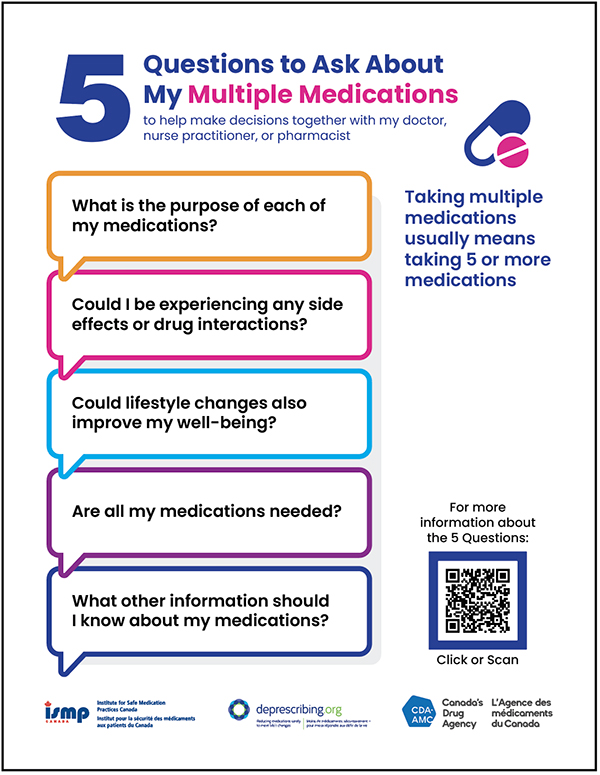
- Ask questions about your medications. Make sure you know why you are receiving a new medication. When you speak with the pharmacist, ask, “Is this for (condition x)?” You can also ask your doctor (or other prescriber) to include the reason for the medication on your prescription. Having this information can help the pharmacist when they check your medication.
- Monitor for unexpected side effects. Ask about potential side effects and what to do if you experience them. If you start having any side effects that don’t match what you were told to expect, contact your health care provider.
- Double check your medications. Look at the label and the medication container before you leave the pharmacy and again before you take your medications. If you think there’s been a mistake, do not take any of the medication, and talk to your pharmacist or other health care provider right away.
- Speak up. If you think there’s been a mistake or if you have any concerns about your medication, talk with your pharmacist or another health care provider right away. They can provide you with more information about your medication and check for any errors.
Health Canada has published an alert on brand name confusion between Diclectin and Dicetel.
—
MedError newsletters are reviewed by consumers who are committed to improving medication safety. Learning from consumer reports is shared with health care providers through ISMP Canada publications. This newsletter shares information about safety medication practices, is noncommercial, and is therefore exempt from Canadian anti-spam legislation. *Funding support provided by Health Canada. The views expressed herein do not necessarily represent the views of Health Canada. Mederror is a component of the Canadian Medication Incident Reporting and Learning Prevention System (CMIRPS).