

Is Insulin New to You? Take the Right Insulin at the Right Time
Using the right type of insulin at the right time is important to prevent blood sugar levels from becoming too high or too low, which can lead to medical emergencies.
Volume 17 • Issue 8
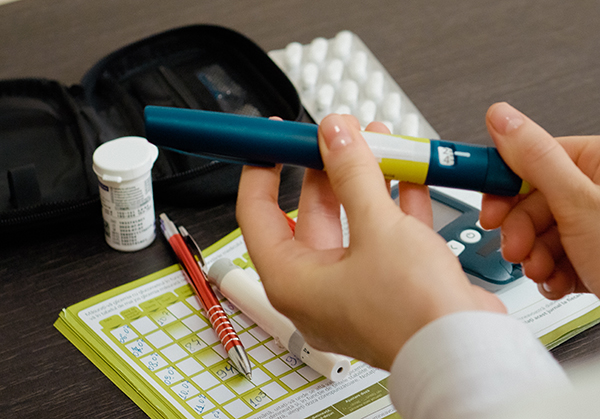
Insulin may be prescribed to manage blood sugar. Some types of insulin are taken several times a day, before eating each meal or snack. Others are taken once or twice daily, or even just once a week, for slower release of insulin. A person’s doctor may prescribe one or both types. Using the right type of insulin at the right time is important to prevent blood sugar levels from becoming too high or too low, which can lead to medical emergencies.
ISMP Canada received a report from a consumer with a prescription for a type of insulin that needs to be taken before meals but received a slow-release type of insulin by mistake. The mistake was corrected, and mild harm was reported.
Follow these tips to keep you safe while taking insulin.
Know the type of insulin your doctor has prescribed and when to take it.
- Confirm that the product and dosing schedule match what you were expecting. Make sure you understand how to use the insulin that’s been prescribed for you.
Avoid mix-ups at home.
- If you are taking more than one type of insulin, check the label every time to confirm the name and type before using it.
- Insulin products are not colour coded by type. This means that if the pharmacy substitutes a different brand of the same insulin type, the packaging and pen colour may look different. If you are not sure about a product, check with your pharmacist before using it.
Check your blood sugar regularly.
- Keep a log of your blood sugar readings to help you and your health care team safely adjust your insulin when needed. Unexpected high or low blood sugar readings can help identify potential errors.
- For example, if you have taken the wrong type of insulin, high and low blood sugar levels will occur at different times than expected.
Recognize the early warning signs of low and high blood sugar.
- Low blood sugar can cause shakiness, sweating, anxiety, hunger, and dizziness. Always keep a source of sugar with you in case you have these symptoms.
- High blood sugar can cause increased thirst, increased hunger, increased urination, blurred vision, and headaches. In the case of very high blood sugar, you may experience vomiting, confusion, loss of consciousness, or fruity-smelling breath. Urgent medical care is needed if any of these symptoms occur.
Diabetes Canada has resources and information for insulin users. For more information, see the guide, “Getting started with insulin”.
Learn about insulin pens in our newsletter, “Insulin Pens: Important Safety Information”.
—
MedError newsletters are reviewed by consumers who are committed to improving medication safety. Learning from consumer reports is shared with health care providers through ISMP Canada publications. This newsletter shares information about safety medication practices, is noncommercial, and is therefore exempt from Canadian anti-spam legislation. *Funding support provided by Health Canada. The views expressed herein do not necessarily represent the views of Health Canada. Mederror is a component of the Canadian Medication Incident Reporting and Learning Prevention System (CMIRPS).