

Plan Ahead to Stay Ahead of Adrenal Crisis
Volume 17 • Issue 4
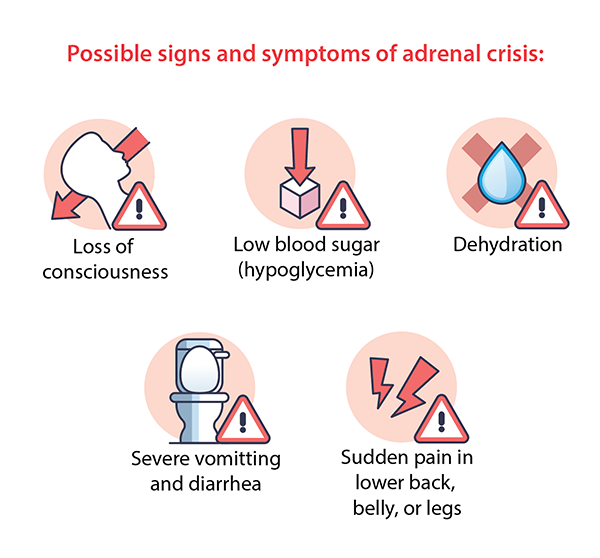
Adrenal insufficiency is a condition where the body does not make enough of a hormone called cortisol. People with an adrenal insufficiency are at risk of adrenal crisis. Adrenal crisis is a life-threatening emergency that can occur when the body is under stress or during illness. Symptoms may include weakness, nausea, vomiting, dizziness, stomach pains, and confusion. Management of adrenal insufficiency includes daily oral hormone (hydrocortisone) therapy to maintain health and help prevent a crisis.
ISMP Canada has highlighted important opportunities to improve the prevention and treatment of adrenal crisis. Knowledge, preparation, and timely treatment will help keep you safe.
Below are some tips to manage adrenal insufficiency, reduce the risk of adrenal crisis, and respond safely if this medical emergency occurs.
Have an emergency care plan:
- Work with your health care provider to create a clear action plan that will help you to recognize the signs and symptoms of adrenal crisis. Ask your health care provider to explain the treatment that will be needed if you experience adrenal crisis. Practise this plan so you feel confident using it.
- Know what to do during stress or illness. For example, you may need more hormone medication than usual (often called stress dosing).
- Share your emergency care plan with family members and close contacts so they know how to recognize the signs and how to help in an emergency.
Be prepared for emergencies:
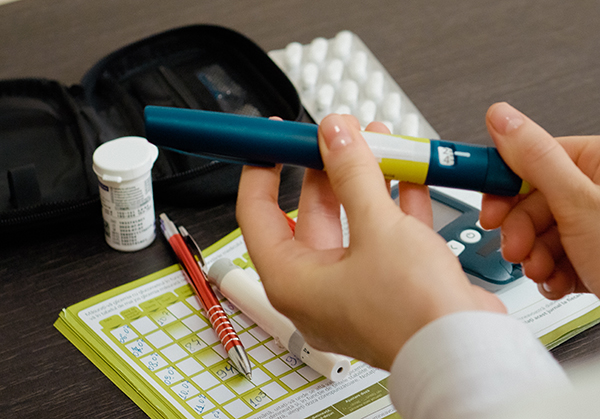
- Adrenal crisis is treated with an injection of hydrocortisone. Ask for a prescription, and always keep an emergency injection kit with you. Know when and how to use the injection, and make sure your caregivers are trained.
- Check the expiry date of your hydrocortisone regularly. Adrenal crisis is rare, and the injection may not be used for a long time, so the emergency dose might expire before you need it.
- Wear medical identification, such as a bracelet or necklace, stating “adrenal insufficiency”. Keep an emergency information card on your phone and with your emergency kit, so that life-saving details about your condition will be quickly seen in an emergency.
The Canadian Addison Society has resources and information.
Share this ISMP Canada Safety Bulletin with your health team.
—
MedError newsletters are reviewed by consumers who are committed to improving medication safety. Learning from consumer reports is shared with health care providers through ISMP Canada publications. This newsletter shares information about safety medication practices, is noncommercial, and is therefore exempt from Canadian anti-spam legislation. *Funding support provided by Health Canada. The views expressed herein do not necessarily represent the views of Health Canada. Mederror is a component of the Canadian Medication Incident Reporting and Learning Prevention System (CMIRPS).