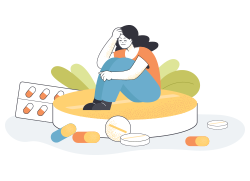


Taking a Sleeping Pill? Know the Risks for Falls
Sleeping pills can increase fall risk. Find out how to stay safe while getting the rest you need.

Volume 13 • Issue 10
Medications that help you sleep (known as sleeping pills) can have serious side effects. One concern is that these medications can put you at greater risk for falls. This is a problem especially if you need to get up during the night. Sleeping pills can also make you less alert and slower to react the following day. A fall can lead to serious harm, such as a concussion or a broken hip.
SafeMedicationUse.ca has received reports about individuals who fell during the night because they felt groggy or drowsy after taking a sleeping pill.
SafeMedicationUse.ca has the following tips to help prevent falls related to sleeping pills:
- Talk to your health care provider about trying non-medication treatments first. Good sleep habits (e.g., keeping a regular sleep-wake schedule, having “quiet time” before bed), meditation, and some types of behavioural therapy can be helpful.
- Before you leave your appointment with the prescriber, use the 5 Questions to Ask (Change to new link after migration) to find out your prescribed dose of the medication, including when and how often to take it, the side effects you can expect, and what to do if they occur.
- Ask your prescriber if changes can be made to any of your medications to lower your chance of falling. Sleeping pills are not the only type of medication that can make you less alert and cause you to fall.
- If you have had a fall in the past, let your prescriber know.
This newsletter was developed in collaboration with patients and families.
Learning from consumer reports is shared with health care providers through ISMP Canada publications.